


In work environments where exposure to chemicals is common, using proper personal protective equipment (PPE) plays a crucial role in protecting workers’ health. In addition to familiar protective gear such as protective clothing, safety shoes, and helmets, chemical-resistant gloves are particularly important in preventing direct contact between hazardous chemicals and the user’s skin. So, what are chemical-resistant gloves? How should they be used and stored properly to ensure maximum protection? Let’s explore these questions with Lapro in the article below.
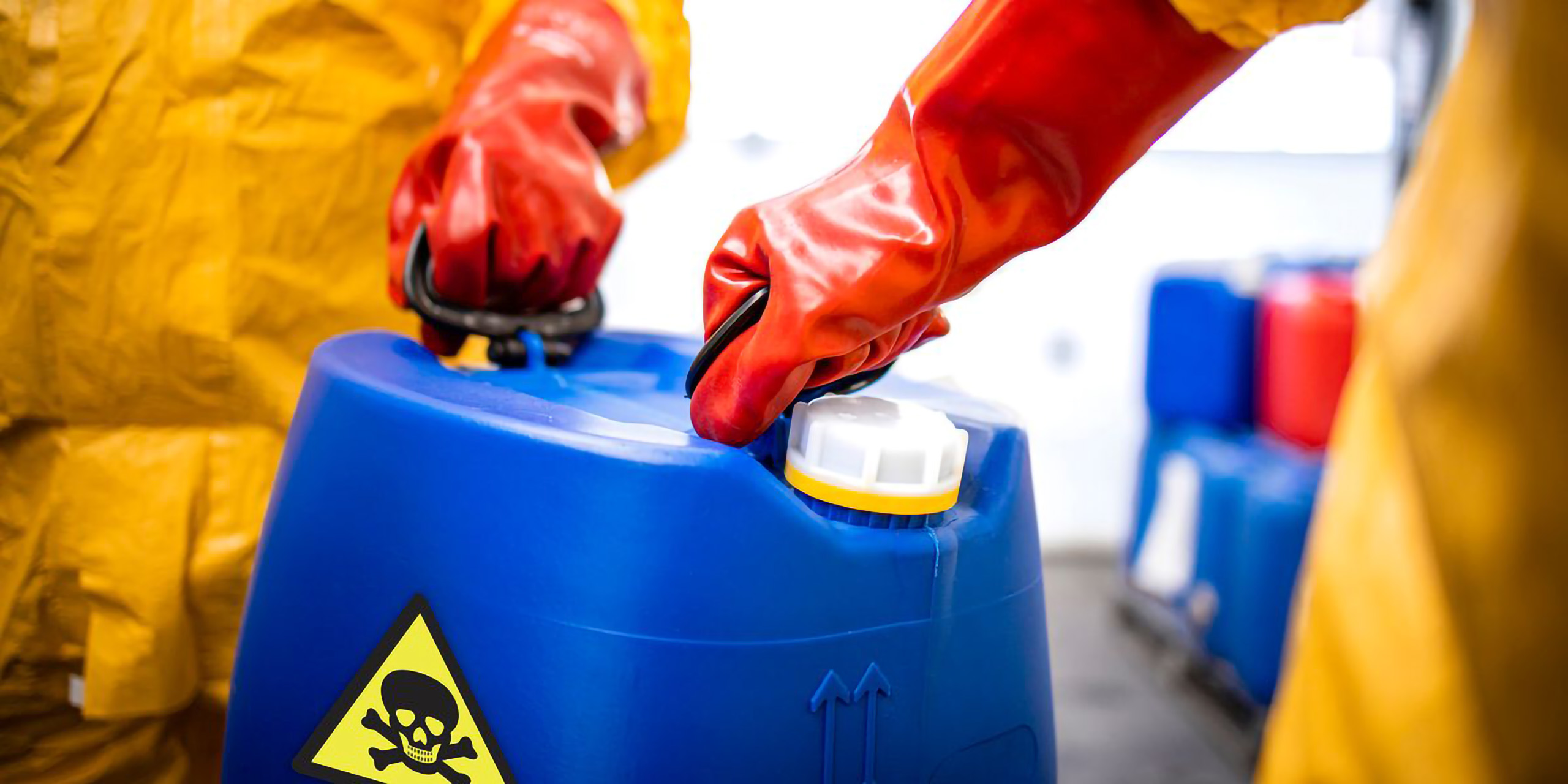
What Are Chemical-Resistant Gloves?
Definition
Chemical-resistant gloves (also known as chemical-resistant rubber gloves) are specialized protective gloves designed to protect workers’ hands from harmful chemicals such as acids, bases, solvents, oils, and strong cleaning agents.
They are considered essential protective equipment that helps reduce the risk of skin damage or chemical exposure when working with hazardous substances. Therefore, choosing the right type of glove for specific chemicals is crucial to protect workers’ health, maintain work efficiency, and comply with occupational safety regulations.
Characteristics
Chemical-resistant rubber gloves are typically made from materials with high chemical resistance such as nitrile, latex, neoprene, PVC, and butyl.
Among these, nitrile chemical-resistant gloves are widely preferred due to their excellent resistance to chemical penetration and high mechanical durability. Each glove material is designed to be compatible with different types of chemicals, helping prevent corrosion or chemical permeation that could harm the skin.

Depending on the working environment, chemical-resistant protective gloves may vary in thickness, length, and additional features such as water resistance, corrosion resistance, puncture resistance, and anti-slip grip. These gloves are widely used in medical, laboratory, chemical manufacturing, and many heavy industrial sectors.
Proper Use and Storage of Chemical-Resistant Gloves
Guidelines for Using Chemical-Resistant Protective Gloves
When using chemical-resistant gloves, workers should follow the principles below to ensure safety and maximize protective performance:
– Choose the right gloves for the specific chemicals
It is important to select glove materials that are compatible with the specific chemicals being handled. Nitrile chemical-resistant gloves are commonly preferred due to their strong resistance to solvents, oils, and many industrial chemicals. Users should consult the chemical resistance chart provided by the manufacturer to determine whether nitrile, latex, or PVC gloves are most suitable.
– Inspect gloves before use
- Wash and dry hands thoroughly before putting on the gloves.
- Check the expiration date and carefully inspect the gloves for tears, punctures, or other signs of damage. Damaged or deteriorated gloves should never be used.
– Wear gloves properly
- Avoid overstretching the gloves when putting them on, as this may cause tearing.
- Ensure the gloves fit snugly and fully cover the wrist. If necessary, use long chemical-resistant gloves that extend to the elbow for better protection.

– During use:
- Do not use chemical-resistant rubber gloves beyond the recommended usage time.
- Avoid contact with high temperatures, flames, or sharp objects.
- After handling chemicals, do not touch your face, eyes, or other parts of the body with contaminated gloves.
- Do not reuse disposable gloves.
– Remove gloves properly:
- Remove the gloves from the wrist and turn them inside out to prevent chemicals from contacting the skin.
- Dispose of the gloves according to safety regulations (for disposable gloves) or clean them properly if they are reusable.
Guidelines for Storing Chemical-Resistant Protective Gloves
Proper storage of chemical-resistant gloves not only ensures their effectiveness during use but also helps extend the product’s lifespan.
– Storage environment:
- Store gloves in a dry, cool, and well-ventilated place, away from direct sunlight or high temperatures (ideally below 30°C).
- Keep them away from chemicals, ozone, or sources of UV radiation such as lamps or machinery.

– Storage method:
- Store gloves in a sealed container or specialized storage bag to protect them from dust, moisture, and insects.
- Hang reusable gloves or roll them gently for storage. Avoid folding or compressing them for long periods, as this may cause cracks or deformation of the material.
– Periodic inspection (for reusable gloves):
Regularly check the condition of the gloves to promptly detect signs of wear or damage such as small tears, blistering, discoloration, or changes in texture before use.
– Other notes:
- Do not use expired gloves or gloves that have been stored for too long, as materials may degrade over time and reduce protective performance.
- Clearly label different types of gloves if multiple kinds are stored together to avoid confusion.
Comparison Between Standard and Premium Chemical-Resistant Gloves

Comparison Table
Understanding the differences between standard chemical-resistant gloves and premium chemical-resistant gloves helps users choose the right product based on work requirements, chemical exposure, and safety level.
| Criteria | Standard Chemical-Resistant Gloves | Premium Chemical-Resistant Gloves |
| Material |
|
|
| Protection Level |
|
|
| Durability | May tear easily and wear out quickly when exposed to sharp objects or strong friction. | High mechanical durability, resistant to impact, abrasion, and extreme temperatures. |
| Safety Standards | May only meet basic safety standards or lack specialized chemical resistance testing for specific chemicals. |
|
| Design & Comfort |
|
|
| Cost |
|
|
| Applications | Suitable for light-duty tasks with occasional chemical exposure, such as light cleaning or simple chemical mixing. | Used in high-risk environments such as laboratories, chemical industries, and waste treatment facilities. |
Ưu điểm và nhược điểm
| Glove Type | Advantages | Disadvantages |
| Standard Gloves | – Lower initial cost. – Easy to purchase, suitable for occasional use. |
– Easily damaged and not safe for strong chemicals. – Frequent replacement may increase long-term costs. |
| Premium Gloves | – Optimal safety and comprehensive protection. – Cost-effective in the long run thanks to higher durability. |
– Higher initial investment cost. – Requires knowledge to select the right material. |
In summary, choosing between standard and premium gloves depends on the nature of the work, frequency of use, and the type of chemicals involved. In high-risk working environments, investing in premium chemical-resistant gloves is an optimal solution to protect workers’ health and minimize risks during operations.
Lapro – A Leading Manufacturer of Chemical-Resistant Gloves in Vietnam
With many years of experience in the production of personal protective equipment (PPE), Lapro is proud to be a reputable and leading manufacturer of chemical-resistant gloves in Vietnam. The company provides a wide range of products designed to meet diverse application needs across industries such as mechanical engineering, metallurgy, healthcare, industrial manufacturing, and agriculture–forestry.

Lapro utilizes a wide range of materials in its manufacturing process, including nitrile, latex, PVC, PU, and more, offering over 50 different types of gloves suitable for various purposes and working environments. In addition, the company operates a modern rubber-coating production line with an automated control system that allows flexible operation, including full coating, ¾ coating, and ½ coating. This ensures product consistency, stable quality, and optimal chemical resistance.
The entire production process is strictly controlled in accordance with international standards such as ISO 9001:2015 and ISO 14001:2015, while also meeting social responsibility certifications including WRAP and WCA. Lapro’s products comply with stringent technical standards required by many international markets such as the United States, Europe, South Korea, and Japan.
Currently, Lapro not only meets domestic demand but also exports its products to ASEAN markets as well as countries such as the United States, Japan, South Korea, Poland, and Kuwait.
The above information concludes the article “What Are Chemical-Resistant Gloves? A Guide to Proper Use and Storage.” We hope this content provides useful insights for readers. For consultation and to choose high-quality chemical-resistant gloves at competitive prices, please contact us directly via hotline: (+84) 348 620 063.


